The ever-evolving threat landscape poses a significant challenge for security analysts. Sifting through vast amounts of log data from various applications, systems, and services to uncover potential security incidents can be a daunting task. These logs act as crucial indicators of attempts to compromise system confidentiality, integrity, or availability.
In today’s digital world, security event logs play a critical role in assessing the overall security posture. They often serve as the initial point of investigation during security breaches, providing vital insights and answers to critical security questions. To streamline this process, Security Information and Event Management (SIEM) tools have become indispensable assets.
What are SIEM Tools?
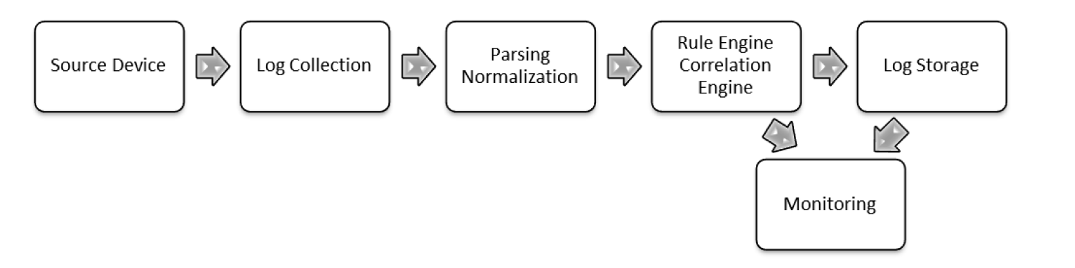
SIEM (Security Information and Event Management) tools offer a powerful solution. They act as a central hub to collect, aggregate, store, and analyze security events from diverse network devices and systems. Functioning as the central hub for security operations centers (SOCs), SIEM tools expedite data collection, identify correlations between events, and prompt real-time alerts to security personnel.
SIEM tools have gained widespread adoption due to their ability to:
- Data Aggregation: Gather information from a wide range of sources, including security appliances, operating systems, applications, and network devices.
- Threat Detection Analyze data to uncover suspicious activities, correlate events, and detect potential security incidents.
- Alerting and Response: Promptly notify security personnel when suspicious activities are detected, allowing for faster response times.
How SIEM Tools Benefit Incident Management
Security analysts can leverage SIEM tools to:
- Faster Threat Detection: By centralizing data collection and analysis, SIEM tools significantly accelerate the identification of potential security incidents.
- Enhanced investigation: SIEM tools facilitate the identification of the root cause of security incidents by correlating data from disparate sources, providing a more comprehensive view of the attack.
- Improved Efficiency: SIEM tools can automate repetitive tasks such as log collection and analysis, freeing up valuable time for security analysts to focus on more complex investigations and threat hunting activities.
It’s important to acknowledge that SIEM tools, while powerful, require skilled personnel for configuration, analysis, and ongoing maintenance. Additionally, SIEM solutions often work alongside Security Orchestration, Automation, and Response (SOAR) tools. SOAR automates pre-defined actions based on SIEM alerts, streamlining incident response workflows.
In Conclusion
Understanding SIEM tools and their critical role in incident management equips security professionals with the necessary tools to effectively safeguard organizations from cyber threats. By harnessing the capabilities of SIEM tools, analysts can significantly improve their incident response capabilities and fortify defences against evolving security challenges.
Ever dreamt of putting your cybersecurity skills to the test? In our next blog post, we’ll guide you through setting up a simple SIEM lab, allowing you to experiment with these powerful tools!